
UK Diving • Dive Sites • Learning
Quarries vs Sea Dives: What Each Teaches
I do not see quarries as fake diving or the sea as automatically better. They give me different problems to solve.
Quarries are where I can make things boring
I actually like quarry diving.
That does not mean I think a quarry is the same thing as the sea.
Its biggest strength is often the opposite: it removes variables.
Known entry points, no tide, generally predictable navigation and a familiar shore setup make it much easier to repeat a skill until it becomes boring.
That is incredibly useful for training.
A quarry is not valuable because it imitates the sea perfectly. It is valuable because it lets me practise without the sea changing the exam paper halfway through.
Inland sites expose the basics
When the environment is relatively controlled, it becomes harder to blame the conditions for untidy fundamentals.
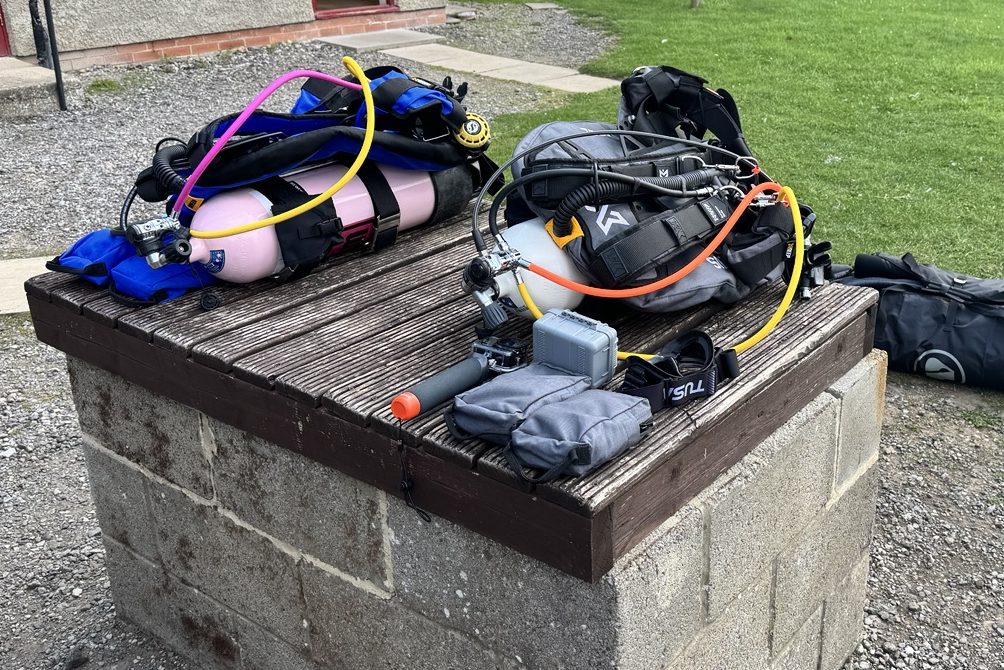
Buoyancy, trim, shutdown practice, DSMB work, finning, weighting and general configuration can all be repeated with fewer distractions.
That makes inland diving a very good workshop.
The sea makes the whole dive matter
Coastal diving adds a different layer.
Weather, swell, current, entry and exit, boat movement, slippery rocks, visibility and changing conditions can all matter before I even get to the underwater part.
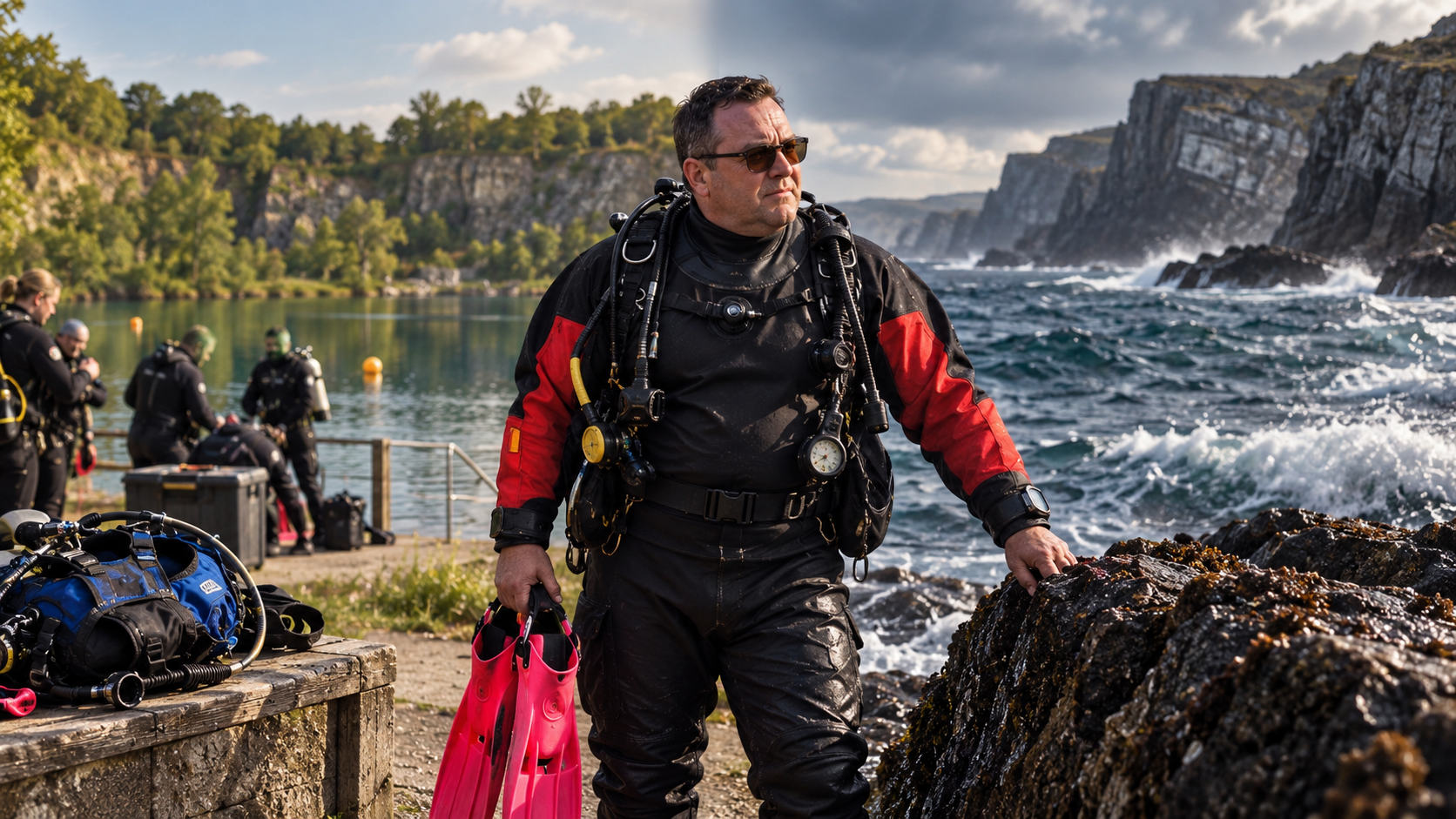
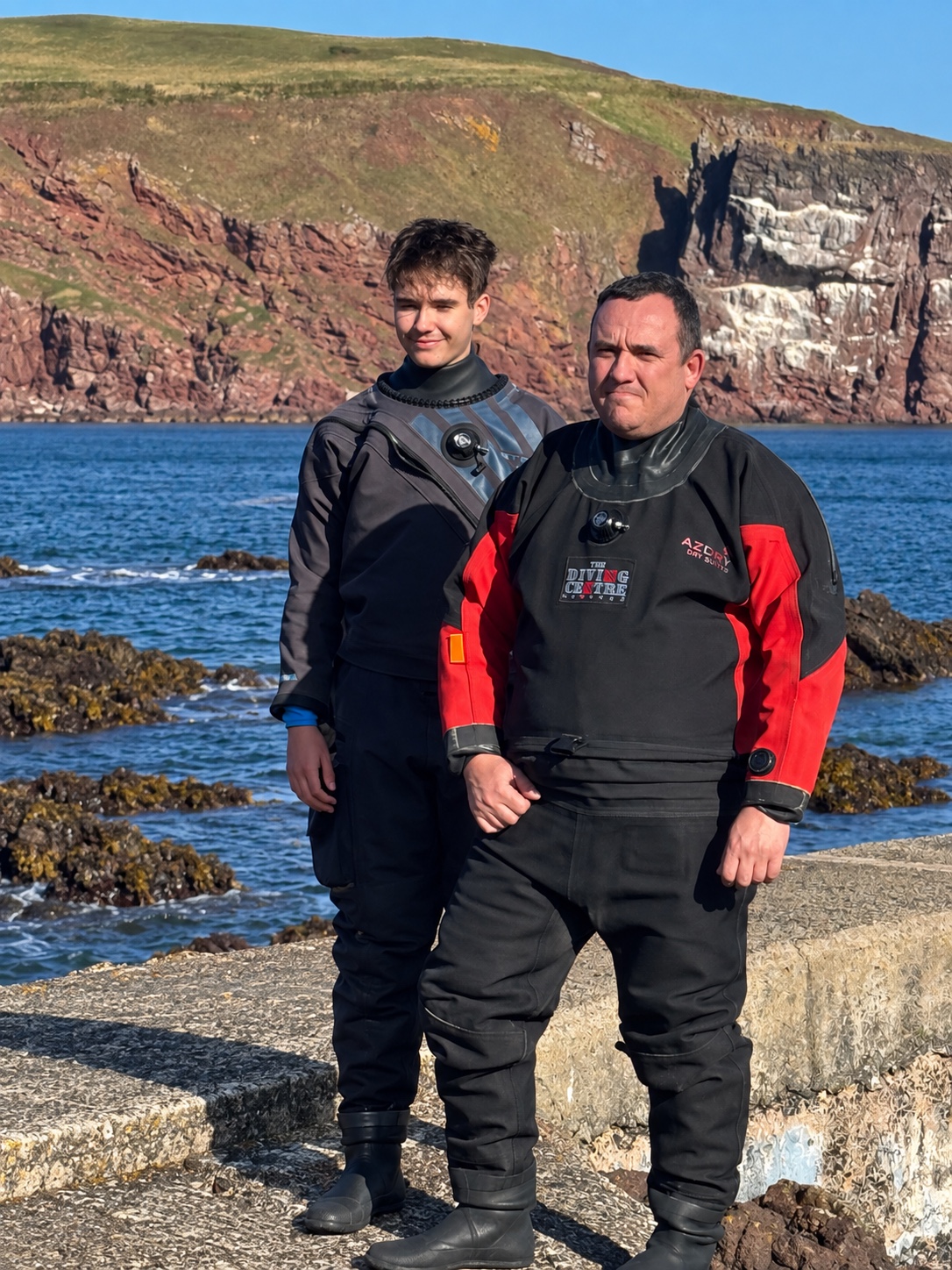
St Abbs reinforced that for me. The dive itself can be lovely while the shore exit reminds you very quickly that the day does not end at the safety stop.
Natural navigation feels different
The sea has also made me pay more attention to natural navigation.
At St Abbs I remember using the rock formation as a reference and thinking about the relationship between the coastline and direction rather than simply following a fixed quarry feature.
That kind of navigation feels more connected to the environment.
The sea teaches energy management
One of the biggest differences for me is energy.
A long carry, awkward entry, waves, a ladder or a shore exit can eat into the same physical and mental reserve I need underwater.
That links directly to the human-factors side of diving: pre-dive faff and physical workload are not separate from the dive just because they happen above the water.
I want both in my training
If I only dived quarries, I would miss the environmental judgement and adaptability the sea demands.
If I only dived the sea, I would lose one of the easiest places to repeat skills deliberately without every session being dictated by conditions.
For where I am heading—Divemaster development, sidemount and eventually more technical diving—I want both.
The quarry gives me repetition.
The sea gives me variability.
Both expose weaknesses, just in different ways.
One lets me sharpen the tool. The other makes me use it.